Traditional Sauna Cabin Sourcing Guide for B2B Projects | Graphene Infrared
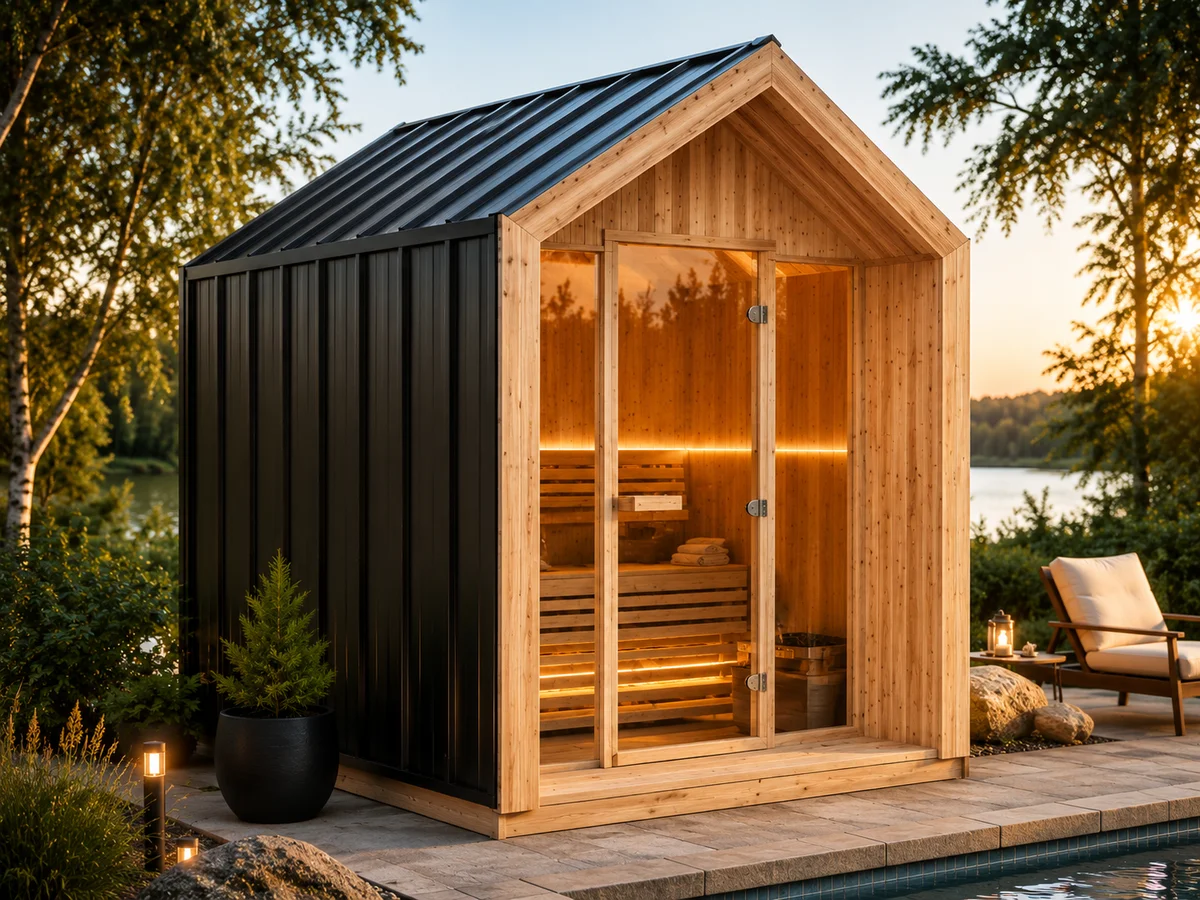
A traditional sauna cabin is not a generic wooden room that can be selected from a photograph alone. For a hotel, spa, distributor, or wellness project, the cabin, heating configuration, installation conditions, and destination-market requirements need to work together. This guide gives B2B buyers a practical way to prepare those decisions before they begin comparing suppliers or requesting a quotation.
The goal is not to force every project into a fixed specification. It is to make the important choices visible early, so the supplier can review the right cabin configuration and the buyer can compare replies on the same basis.
Buyers ready to move from sourcing criteria to a project inquiry can review our traditional sauna manufacturer for OEM projects page.
Start With the Product Definition, Not a Product Name
Terms such as traditional sauna, steam cabin, electric sauna, and wood-fired sauna are often used loosely in early conversations. They should not be treated as interchangeable. Before an RFQ, define the product in plain project language: a traditional wooden sauna cabin, its intended heating format, and the setting where it will be installed.
This distinction matters when a buyer is comparing traditional and far-infrared options. A far-infrared cabin uses a different heating approach and should be assessed against different project requirements. Buyers who need to compare the two formats can use our traditional and far-infrared sauna buyer comparison before selecting a product direction.
1. Decide How the Cabin Will Be Used
Start with the operating context rather than capacity labels or visual style. A private residential installation, a hotel wellness area, a spa treatment circuit, and a distributor product line each create different sourcing questions. The buyer should state who will use the cabin, where it will sit, and whether the project is a single installation or a repeatable product program.
- Hotel or resort project: clarify the intended wellness area, access route, maintenance access, and the level of coordination needed with the wider construction team.
- Spa or studio project: clarify the operating environment, visitor flow, and how the cabin will fit alongside other wellness equipment.
- Distributor program: clarify whether the buyer is selecting a standard product reference or developing a private-label range.
- Residential or villa project: clarify the available room or outdoor space, installation conditions, and the preferred sauna experience.
These inputs give a supplier the context needed to review the right product direction. They are more useful than asking for a generic “best model.”
2. Make the Heating Configuration Explicit
For a traditional sauna cabin, the heating solution is a core project decision. Buyers should state whether the project is considering an electric sauna heater, a wood-fired sauna stove, or another defined conventional sauna-heating arrangement. Do not assume a preferred heating option is included with every cabin.
The selected heat source affects the installation review. For example, the buyer and supplier may need to confirm electrical conditions, ventilation, clearances, chimney or flue requirements where relevant, and the local rules that apply to the project. These items should be reviewed for the selected configuration and destination market before commercial terms are finalized.
| Buyer decision | Information to provide in the RFQ | Why it matters |
|---|---|---|
| Heating preference | Electric heater, wood-fired stove, or another requested configuration | It defines the technical and installation review. |
| Installation setting | Indoor room, covered area, garden, poolside, or another project location | It affects the cabin and site-planning discussion. |
| Destination market | Country or region where the cabin will be installed | It helps frame the applicable electrical, construction, and documentation questions. |
| Project stage | Concept stage, renovation, new build, distribution program, or replacement project | It shows whether the buyer needs a product reference or a configuration review. |
3. Treat Cabin Construction as a Project Requirement
Wood species, finish, bench layout, door arrangement, roof form, and exterior treatment should be confirmed against the project rather than inferred from a single reference image. A B2B buyer should give the supplier the available installation space, the intended visual direction, and any requirements that come from the architect, operator, or destination market.
For a commercial project, it is useful to separate fixed project requirements from preferences. Fixed requirements are items such as available space, intended use, local installation constraints, and required documentation. Preferences are items such as visual style, wood appearance, and branding direction. This makes it easier to see what must be resolved before a quotation and what can be reviewed as part of the configuration process.
4. Plan the Installation Before You Compare Suppliers
Many sourcing delays occur because the cabin is discussed before the site is understood. A useful project brief includes the proposed location, basic floor plan or layout, access path for delivery, available utility information, and any constraints around ventilation or construction work. The supplier can then review the selected configuration against the stated site conditions.
This is especially important when a traditional sauna is being added to an existing hotel, spa, or residential renovation. The cabin is one part of the project. Installation access, surrounding finishes, electrical planning, ventilation, and local construction requirements should be discussed as part of the same review.
5. Use a Structured Supplier Review
When evaluating a traditional sauna manufacturer, buyers should compare more than product photographs and a headline price. Ask every supplier to respond to the same project brief. This makes omissions visible and prevents a configuration difference from being mistaken for a price difference.
- Product scope: What exactly is included in the proposed cabin configuration?
- Heating configuration: What heating option is being reviewed, and what site conditions must be confirmed?
- Construction and finish: Which elements are fixed, which are optional, and which are confirmed per project?
- Project documentation: What information is needed from the buyer before the supplier can review the selected configuration for the destination market?
- Commercial review: Which specifications and commercial terms remain to be confirmed during the RFQ stage?
A supplier that can answer these questions clearly is easier to compare and easier to manage through a B2B project. The purpose of the review is clarity, not a promise that every configuration is available without further confirmation.
6. Build an RFQ That Produces Comparable Replies
An RFQ should give suppliers enough context to assess the project without asking them to guess. The following checklist can be copied into an enquiry:
- Destination country or region
- Project type and installation setting
- Available space, layout, or drawing
- Preferred traditional sauna heating configuration
- Intended cabin style and finish direction
- Whether the project is standard, private-label, or a full OEM/ODM development
- Any branding, packaging, or project-documentation requirements
For private-label or OEM/ODM projects, buyers can also review the general process on our OEM/ODM sauna services page. The final specification should always be confirmed for the selected project.
7. Traditional Sauna Cabin References for B2B Review
These three product references provide a starting point for discussing a traditional sauna cabin project. They are not a substitute for the project review described above. Construction details, heating configuration, and commercial terms are confirmed per project.
Gen II Traditional Sauna Cabin
A traditional sauna cabin reference for B2B buyers evaluating a project configuration.
Compact Traditional Sauna Cabin
A compact traditional sauna cabin reference for buyers beginning a space-led project discussion.
Panoramic Traditional Sauna Cabin
A traditional sauna cabin reference for buyers comparing form, layout, and project requirements.
8. Keep Traditional and Far-Infrared Projects Separate
A buyer may want to offer both traditional and far-infrared sauna options, but they should not be presented as the same product. The heating approach, cabin configuration, installation discussion, and buyer questions are different. Keeping the two product directions separate makes the RFQ clearer and helps a distributor or project owner match the product to the intended experience.
For an outdoor, barrel-shaped sauna project, see the separate outdoor sauna cabin sourcing guide. That guide addresses an exterior-installation use case and should not be used as a substitute for a traditional indoor cabin review.
9. Common Sourcing Errors That Delay a Traditional Sauna Project
- Using only a product image as the specification. A visual reference does not define the heating arrangement, site requirements, or project scope.
- Calling a product “steam” without confirming the configuration. Confirm the heating and installation arrangement before using that label in an RFQ or product listing.
- Mixing traditional and far-infrared requirements in one brief. Separate them so the supplier can review the correct product direction.
- Leaving the destination market out of the first enquiry. It delays the discussion of applicable requirements for the selected configuration.
- Comparing quotations without a shared checklist. A lower figure may reflect a different scope, not a comparable configuration.
Frequently Asked Questions
Is a traditional sauna cabin the same as a far-infrared sauna cabin?
No. They use different heating approaches and should be evaluated through separate project requirements. Use the selected product direction, not a broad sauna label, when preparing an RFQ.
Can a buyer request an electric heater or a wood-fired stove?
State the preferred heating direction in the RFQ. Compatibility with the selected cabin, installation conditions, and destination-market requirements must be confirmed for the project.
What information should be confirmed before a quotation?
Confirm the intended use, installation setting, available space, heating configuration, destination market, and whether the project is standard, private-label, or OEM/ODM.
Should a buyer specify the wood and finish before contacting a supplier?
Provide any fixed material or visual requirements you already have. If those details remain open, identify them as preferences to be reviewed during the project configuration stage.
How should a distributor compare traditional sauna suppliers?
Give each supplier the same project brief and compare the proposed scope, heating configuration, confirmation process, documentation questions, and commercial terms. Do not compare headline pricing without checking the underlying scope.
Where can I start a project discussion?
Share the destination market, intended cabin type, heating preference, and available project information through our contact page. The selected configuration and commercial terms can then be reviewed during the RFQ stage.
Interested in Our Graphene Heating Products?
From far-infrared sauna cabins to electric floor heating — factory-direct OEM/ODM supply with project-based documentation.