Far Infrared Sauna Heater Panels: B2B Sourcing Checklist
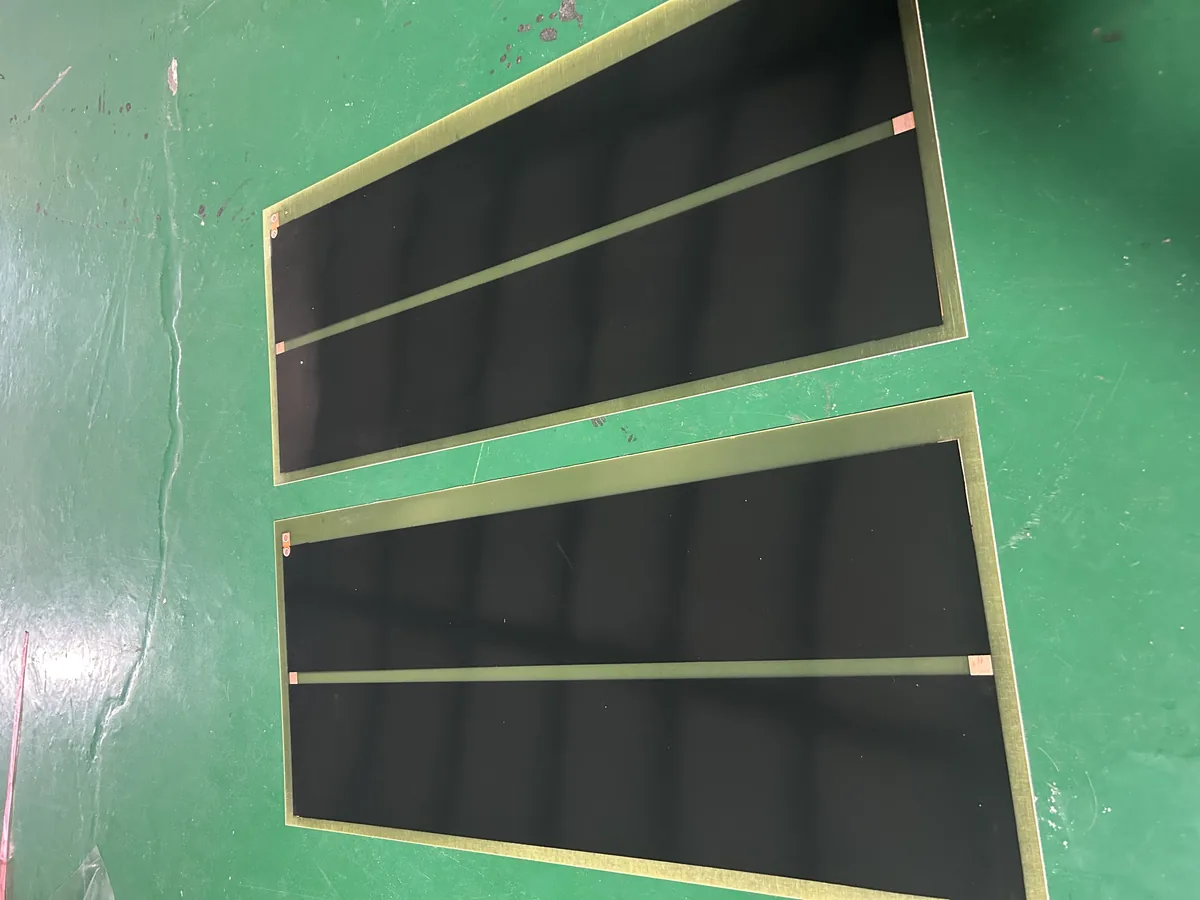
Far Infrared Sauna Heater Panels: What B2B Buyers Need to Know
—
Quick Answer
A far infrared sauna heater panel is the core component that determines heat quality, warm-up time, user comfort, and regulatory compliance of an infrared sauna product. For B2B buyers — sauna brands, wellness equipment distributors, and OEM product developers — the panel should be evaluated on five dimensions: heating material and FIR performance, surface temperature and uniformity, EMF documentation, installation and wiring method, and available certification support. This guide explains each factor and provides a checklist for comparing panel suppliers.
—
1. What Is a Far Infrared Sauna Heater Panel?
A far infrared sauna heater panel is a flat heating element that converts electricity into infrared heat, typically mounted on the walls, floor, or bench area of a sauna cabin. Unlike traditional sauna heaters that heat the air, FIR panels emit infrared radiation that is absorbed directly by the body and surfaces inside the sauna — a heating principle that allows lower ambient air temperatures (typically 40–65°C) compared to conventional saunas (70–100°C).
From a B2B procurement perspective, the panel is not a commodity item. Panel performance, safety documentation, and customization options directly affect the sauna brand's product positioning, compliance pathway, and end-user satisfaction.
—
2. Common Heater Panel Types: Ceramic, Carbon, and Graphene
Infrared sauna panels are built around one of three heating material families. Each has distinct performance characteristics that matter for product development.
Ceramic Heater Panels
Ceramic panels use resistive heating elements embedded in or coated onto a ceramic substrate. They have been used in infrared saunas for decades.
- Heat characteristic: Tends to produce higher surface temperatures; heat feels more intense and directional.
- Warm-up time: Moderate — typically 5–10 minutes to reach steady state.
- FIR emission: Ceramic elements emit far infrared, but the wavelength peak and distribution depend on element composition.
- Durability: Ceramic is physically robust but can crack under mechanical impact.
- Typical use: Entry-level to mid-range infrared sauna products.
- Buyer note: Ceramic panels are a mature, widely available technology. Differentiation for sauna brands is limited unless combined with unique cabin design or control features.
Carbon Heating Panels
Carbon panels use carbon fiber, carbon crystal, or carbon-based conductive ink as the heating layer, typically laminated onto a substrate.
- Heat characteristic: Moderate surface temperature with broader heat distribution than ceramic.
- Warm-up time: 3–7 minutes.
- FIR emission: Carbon-based materials emit FIR, but the wavelength range varies by formulation.
- Durability: Good flexibility; less prone to physical damage than ceramic. Long-term power stability depends on material quality.
- Typical use: Mid-range sauna products.
- Buyer note: "Carbon panel" is a broad category. Buyers should ask for specific material composition and test data rather than relying on the carbon label alone.
Graphene Heating Panels
Graphene panels use a graphene-based conductive layer — a newer material option increasingly adopted in modern sauna panel design.
- Heat characteristic: Fast warm-up (often 1–3 minutes), even surface temperature distribution, and FIR emission in the 6–14 micron range frequently referenced in wellness applications.
- Warm-up time: Fast.
- FIR emission: Graphene's emission characteristic aligns closely with the 6–14 micron band. This supports sauna brands making specific FIR marketing claims — but brands should still request test data.
- Durability: High power stability over extended operating cycles; thin and flexible profile allows slimmer panel designs.
- Typical use: Mid-range to premium sauna products where fast warm-up, even heat, and FIR positioning matter.
- Buyer note: Graphene panels often support more extensive customization — voltage, watt density, size, and substrate — making them suitable for OEM sauna brands developing differentiated product lines.
—
3. Comparison Table: Ceramic vs Carbon vs Graphene Sauna Panels
| Factor | Ceramic Panel | Carbon Panel | Graphene Panel | What It Means for Your Sauna Product |
|---|---|---|---|---|
| Heating principle | Resistive element in ceramic | Carbon-based conductive layer | Graphene-based conductive layer | Material choice affects warm-up, heat feel, and FIR claims |
| Warm-up time | 5–10 minutes | 3–7 minutes | 1–3 minutes | Faster warm-up improves user experience |
| Surface temperature range | 60–90°C typical | 50–75°C typical | 45–80°C typical (adjustable) | Surface temp affects safety, comfort, and cabin design |
| Heat uniformity | Can have hot spots near element | Moderate uniformity | Typically ±2–3°C across surface | Uniform heat = consistent sauna experience |
| FIR wavelength | Varies by ceramic composition | Varies by carbon formulation | Commonly 6–14 micron | Relevant for brands making FIR-specific claims |
| Panel thickness | 20–40 mm typical | 10–25 mm | 5–20 mm possible | Thinner panels = design flexibility |
| EMF documentation | Available; request test conditions | Varies; request per panel model | Often available; request test conditions | Critical for EU and North American sauna brands |
| Customization (size, voltage, wattage) | Limited | Moderate | Extensive | Graphene suits OEM brands needing custom panels |
| Relative cost | Lower | Moderate | Higher | Match panel type to brand tier and target market |
| Durability / physical robustness | Can crack on impact | Good flexibility | Good flexibility; stable power over cycles | Consider shipping, installation, and long-term reliability |
—
4. Why Graphene Heating Film Is Used in Modern Sauna Panels
Graphene heating film offers distinct advantages over traditional carbon film. For a detailed technical comparison, see graphene heating film vs carbon heating film for B2B buyers.
Graphene heating film is being adopted in sauna panel design for several practical reasons that affect the end product:
- Rapid warm-up: Sauna users expect the cabin to be ready quickly. Graphene panels reach steady-state temperature faster than most ceramic and carbon alternatives.
- Even surface heat: Uniform temperature across the panel face means the person inside the sauna experiences consistent warmth, not alternating hot and cool zones.
- 6–14 micron FIR alignment: This is the far infrared band most commonly referenced in sauna and wellness product documentation. Graphene heating film's emission characteristic sits naturally within this range.
- Thinner panel profile: A slimmer panel allows more design freedom for sauna cabin interiors and can reduce shipping volume per unit.
- Customization-friendly: Graphene film supports adjustment of voltage (120V, 230V, 240V), watt density, panel dimensions, and surface materials — all relevant for brands developing their own sauna product lines.
—
5. What Does 6–14 Micron Far Infrared Mean?
The 6–14 micron range is widely referenced in infrared sauna product descriptions. From a buyer's perspective, here is what matters:
- Biologically relevant range: Scientific literature describes 6–14 microns as the wavelength band where water and human tissue absorb infrared energy efficiently. This is why sauna brands use it in product positioning.
- Not a magical number: "6–14 micron" is a spectral range, not a certification or performance guarantee. The claim should be supported by emissivity or wavelength test data for the specific panel model.
- What to ask the supplier: "Can you provide a third-party test report showing the far infrared emissivity or wavelength distribution of this panel?"
A panel supplier who can share FIR test data gives your brand a documented basis for product claims. A supplier who only repeats "6–14 micron" without documentation should be approached with caution.
—
6. Safety and Low EMF Considerations
EMF (electromagnetic field) and ELF (extremely low frequency) concerns are common among sauna buyers in Europe and North America. As a B2B buyer, you need clear documentation — not just marketing reassurance.
Key points:
- EMF comes from current flow: Any electric heating product generates some level of EMF. The question is magnitude, measurement conditions, and whether the levels are below applicable reference thresholds.
- Low EMF design: Some graphene and carbon heating films are designed with specific electrode layouts and material structures that reduce EMF emission. Ask the supplier to explain the design approach, not just the result.
- Measurement matters: EMF values depend on measurement distance, panel power state, and whether single-panel or multi-panel configurations are tested. Ask: "At what distance was this measured? Under what power condition? For a single panel or a fully assembled cabin?"
- What to request: A third-party EMF/ELF test report with clear test conditions. If the supplier references "low EMF" but cannot produce a report, that claim has no procurement value.
—
7. Customization Options for Sauna Brands
If you are developing a branded sauna product line, panel customization separates your product from generic offerings:
| Customization Area | Options to Discuss |
|---|---|
| Panel dimensions | Width, height, thickness — matched to your cabin design |
| Voltage | 120V (North America), 230–240V (EU/UK/AU), or custom |
| Watt density | Adjusted to target cabin size, insulation, and warm-up time |
| Surface material | Fabric cover, decorative print, wood veneer integration, logo placement |
| Connector and cable | Position, cable length, connector type |
| Control integration | Compatibility with your thermostat, control panel, or smart control system |
| Packaging | Private label packaging, branded manual, retail-ready boxing |
A qualified panel manufacturer should be able to review your cabin design or product concept and recommend panel specifications — not just sell you a standard panel from a catalog.
—
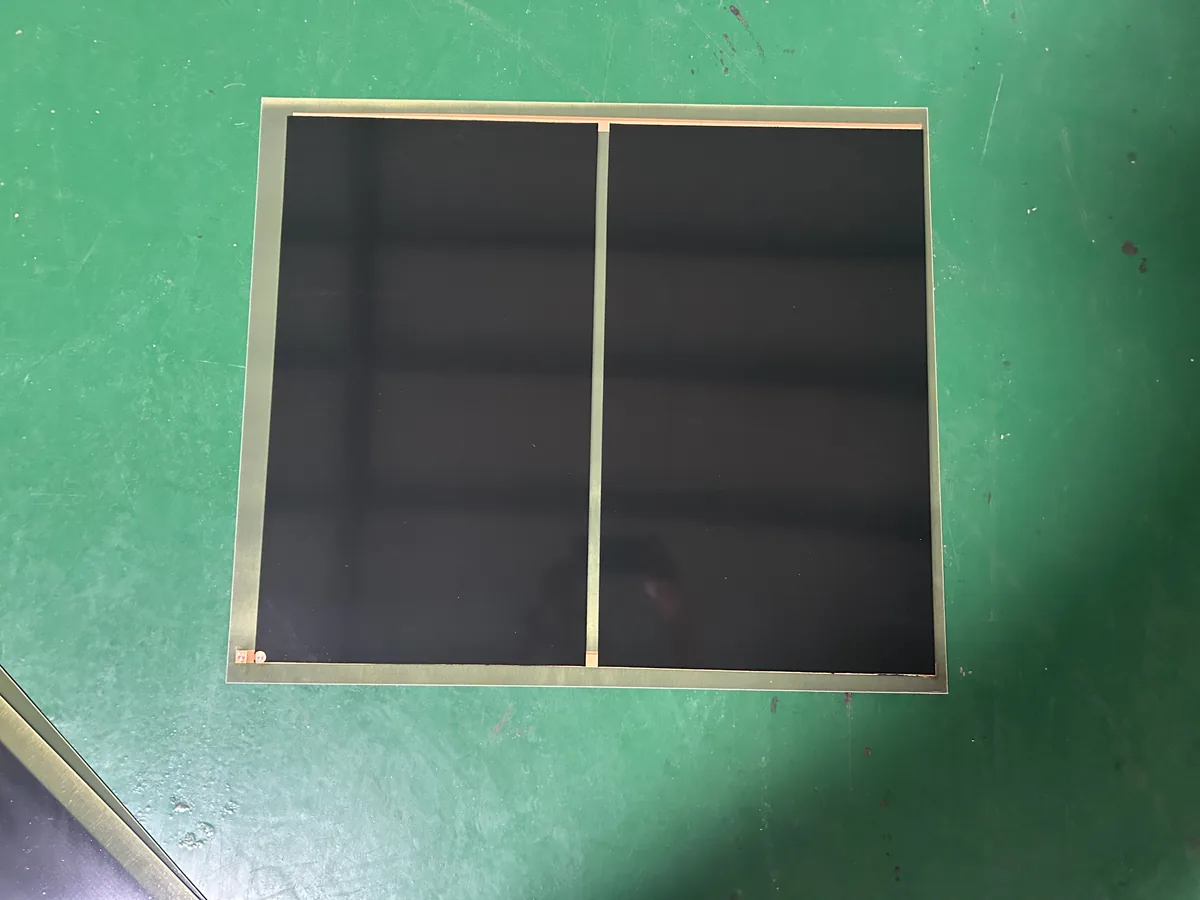
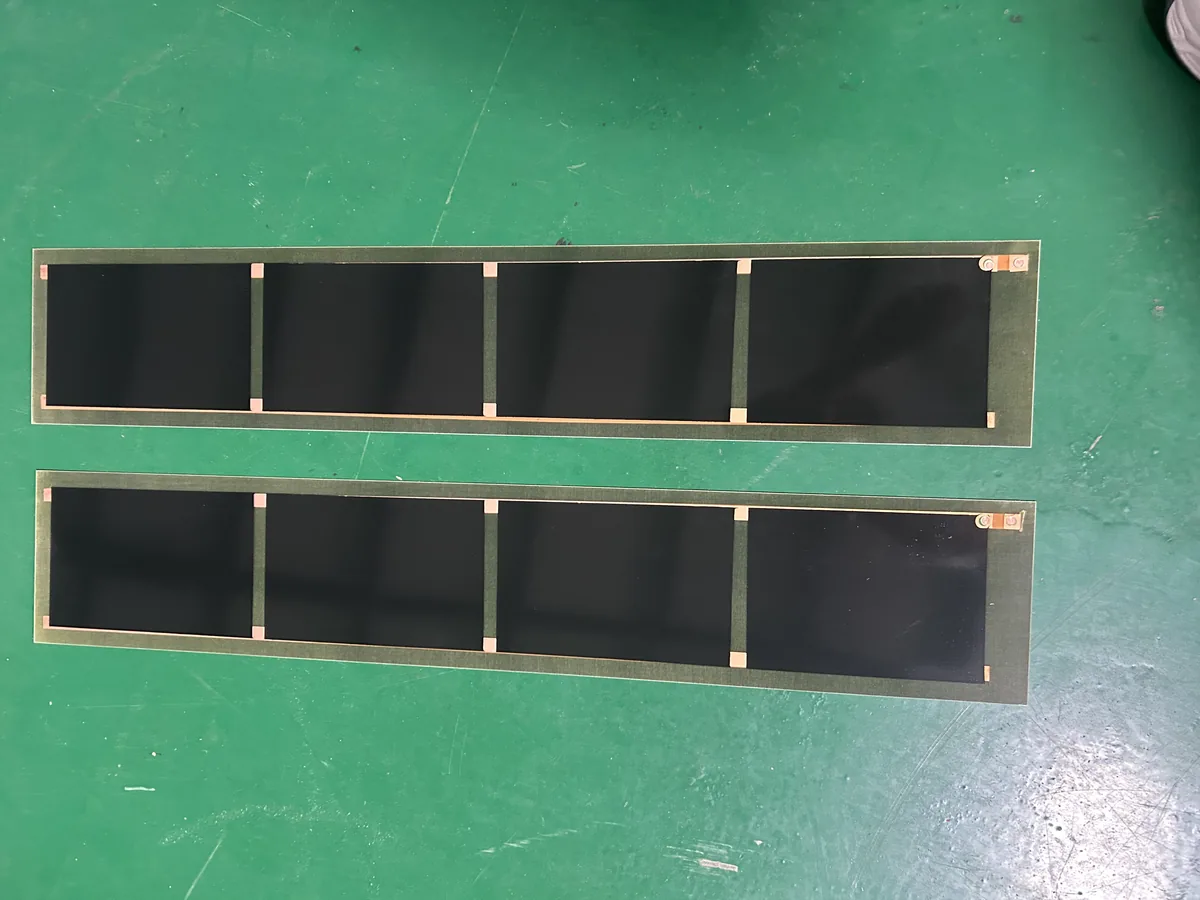
Custom Panel Dimensions and Sample Evaluation
Custom panel dimensions can be developed based on cabin layout, mounting space, and electrical requirements. Heating panel samples are available for buyer evaluation before bulk manufacturing. Model-specific specifications and available documentation can be reviewed during the RFQ stage.
8. Buyer Checklist for Sauna Heater Panels
Use this checklist when evaluating panel suppliers:
- [ ] Confirm heating material (ceramic, carbon, graphene) with a material data sheet.
- [ ] Request surface temperature data at rated voltage after 30 minutes steady state.
- [ ] Request warm-up time data from ambient to steady state.
- [ ] Ask for FIR emissivity or wavelength test data for the specific panel model.
- [ ] Request EMF/ELF test data with measurement conditions (distance, power state, panel count).
- [ ] Confirm voltage options match your target markets (120V, 230V, 240V).
- [ ] Verify certifications: CE, RoHS, ETL/UL (as applicable) — linked to the specific panel SKU.
- [ ] Request a sample panel in your target specification for evaluation.
- [ ] Test the sample in a cabin — measure warm-up time, heat feel, and surface temperature yourself.
- [ ] Confirm MOQ, lead time, custom packaging, and private label options.
- [ ] Evaluate the wiring and installation method — is it practical for your assembly process?
—
9. FAQ
Q: How do I choose between ceramic, carbon, and graphene panels for my sauna product line? A: Match the panel type to your brand tier. Ceramic suits entry-level price-competitive products. Carbon sits in the mid-range. Graphene fits mid-range to premium products where fast warm-up, even heat, and FIR positioning support stronger brand differentiation. Test panels of each type side by side in a cabin before deciding.
Q: What size panels do I need for a 2-person sauna? A: Panel count and wattage depend on cabin volume, insulation, and target warm-up time — not just person count. A typical 2-person infrared sauna might use 4–6 panels totaling 1,500–2,500W. Ask your panel supplier to calculate based on your cabin dimensions and target temperature.
Q: Can I get panels in custom sizes for my own sauna cabin design? A: Yes, most graphene and carbon panel manufacturers offer custom dimensions. Provide your cabin drawings and target warm-up time. Ceramic panels have more limited size customization.
Q: Do I need CE certification for each panel model? A: For the EU market, CE marking applies to the finished sauna product, which includes the panels. The panel supplier should provide the technical documentation (test reports, declarations) that support your product's CE marking process. Ask your supplier for the specific documents your notified body or technical file requires.
Q: What is the typical lifespan of a sauna heater panel? A: Quality graphene and carbon panels are typically rated for 20,000–50,000+ hours of operation under rated conditions. That translates to many years of typical sauna use. Request accelerated aging test data and warranty terms.
—
10. Internal Link Suggestions
- Graphene heating panel product details: Graphene Heating Panel for Sauna Rooms
- Heating panel vs heating film for sauna buyers: What Sauna Room Buyers Should Know
- Carbon vs ceramic vs graphene heater panel comparison: Heater Panel Material Comparison
- OEM/ODM manufacturing support: Custom Sauna OEM/ODM Services
- Request heater panel specifications and samples: Contact for Specifications and Samples
—
Developing a Sauna Product Line?
If you're sourcing far infrared heater panels for a sauna brand, wellness product, or custom cabin project, share your target voltage, cabin dimensions, desired warm-up time, and target market. We'll provide graphene far infrared sauna heating panel specifications, available sizes, voltage options, and OEM customization support.
[Request Sauna Panel Specification & Quote](/contact/)
[Ask for EMF and FIR Test Data](/contact/)
[Talk to an Engineer About Your Sauna Project](/contact/)
Need CE, RoHS, or ETL Documents?
Contact us to review available certification information, product documentation, and export support for your target market.
Related Graphene Infrared Solutions
Explore related B2B product pages: graphene sauna guide | sauna cabins | graphene vs carbon heating film | choose a sauna manufacturer | graphene heating panel.
Interested in Our Graphene Heating Products?
From far-infrared sauna cabins to electric floor heating — factory-direct OEM/ODM supply with project-based documentation.